In Search of Penumbra
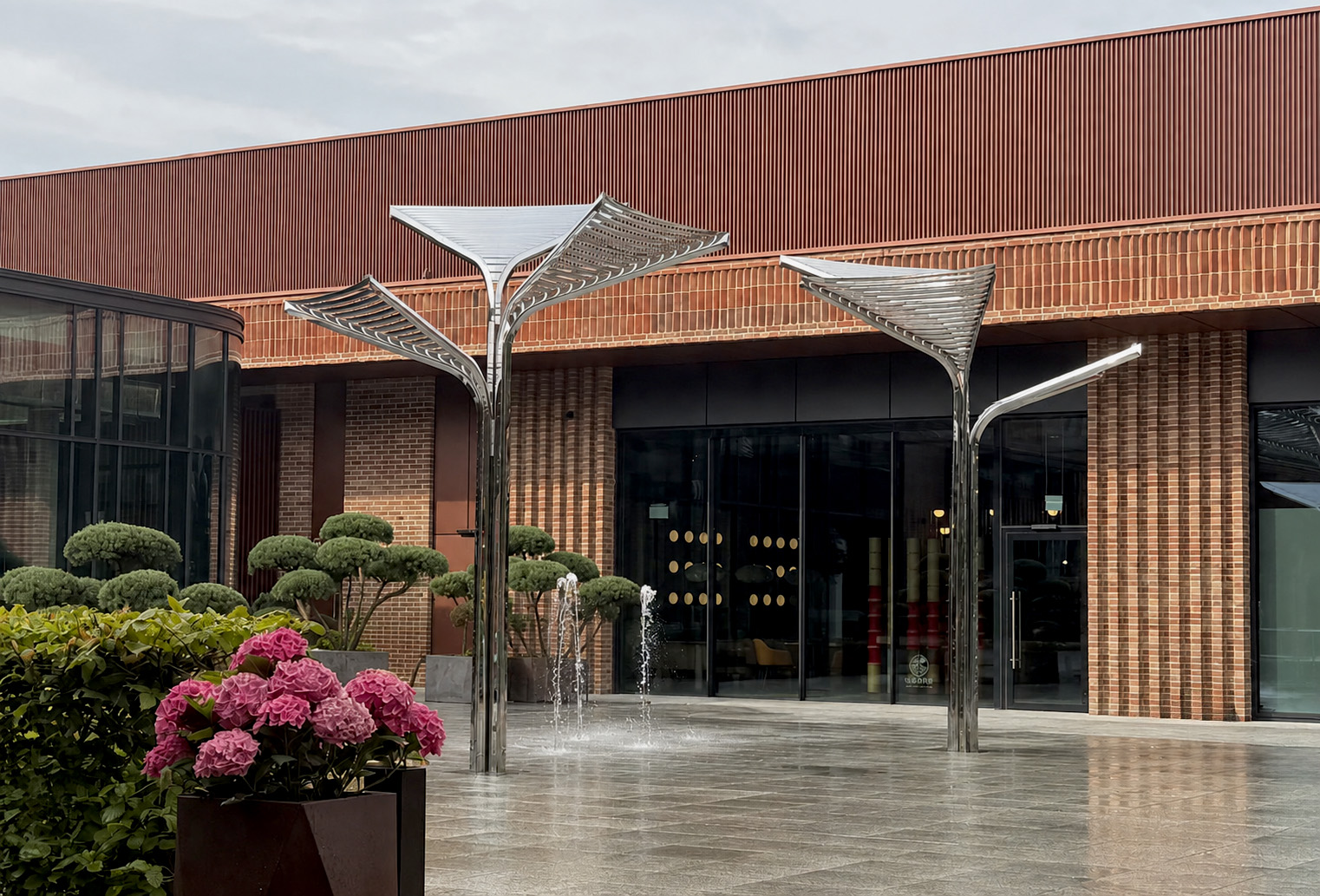
Site-specific works have become a defining element of Oskar Zięta’s creative practice. Every public installation begins with a careful reading of its surroundings—the character of the place, its history, its context, and the role the installation itself is meant to play. The Frondy, created for the post-industrial setting of The Old Paper Mill (Stara Papiernia) in Konstancin, embody this approach. They are conceived specifically for their location, fulfilling multiple roles at once: they create penumbra, enrich the landscape, provide shelter, and exist as sculptural forms.
Flowers, Leaves, Stems
The concept of Frondy grows directly from nature. Bionic inspirations run throughout Oskar Zięta’s work, yet here they become unusually explicit. Delicate openwork leaves of stainless steel rise from stable steel stems, creating gentle penumbra while offering a quietly compelling sculptural presence.
Frondy belong to a futuristic flora. Their bionic character feels instinctively familiar, as though they have always existed. Their mirror-polished surfaces deepen this relationship, reflecting their surroundings in a kaleidoscopic yet understated way. They neither dominate nor disappear. Instead, they become a natural part of the landscape, present with quiet confidence.
How Can a Sculpture Respond to the Movement of the Sun?
How can penumbra be created efficiently in public space while maintaining extraordinary structural lightness? How can the function of sculpture respond to the daily movement of the Sun? The answer was found in bionics. The broad leaves of ferns and palms—known collectively in English as fronds—became the conceptual point of departure. This is how Frondy came into being.
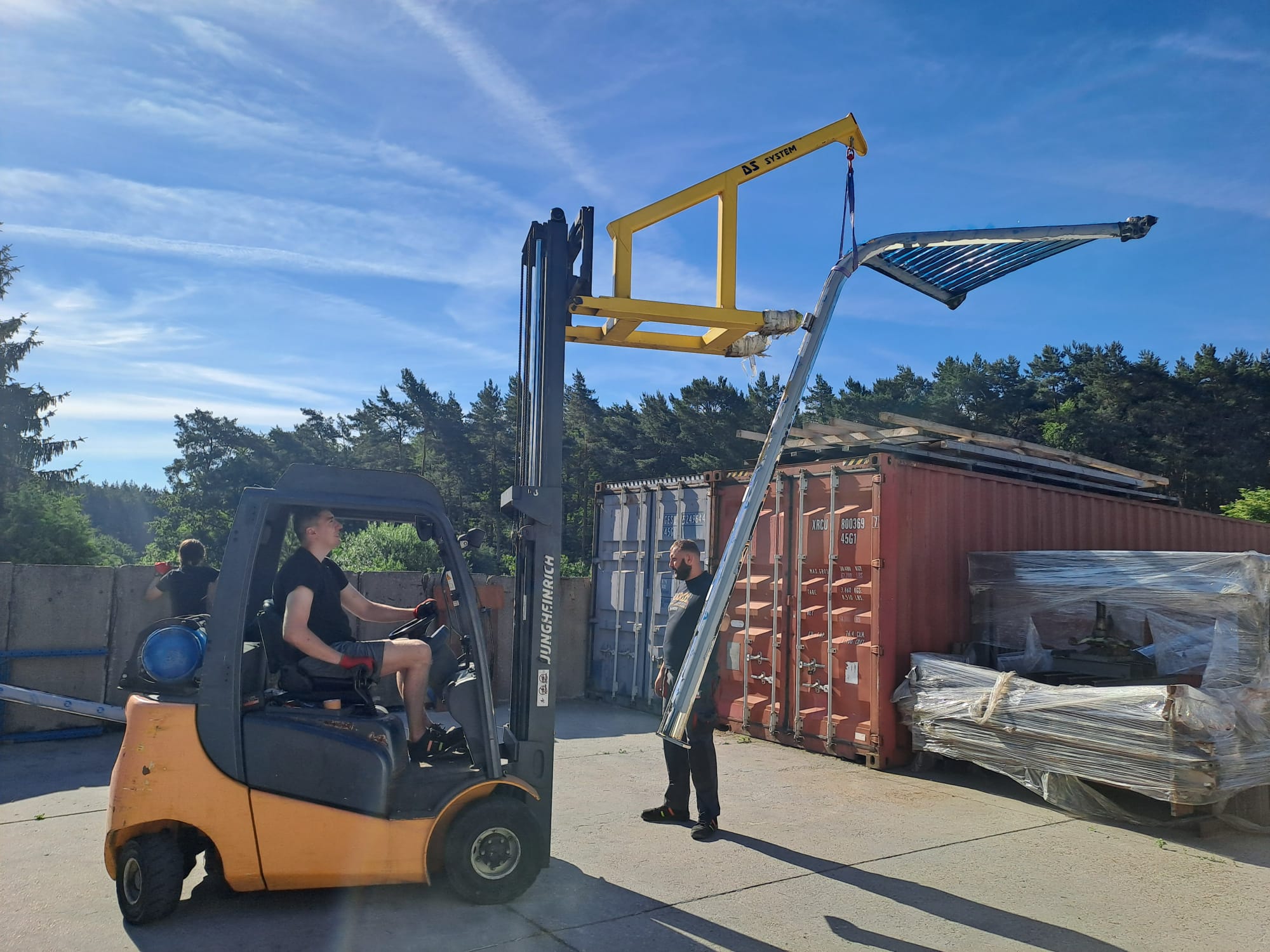
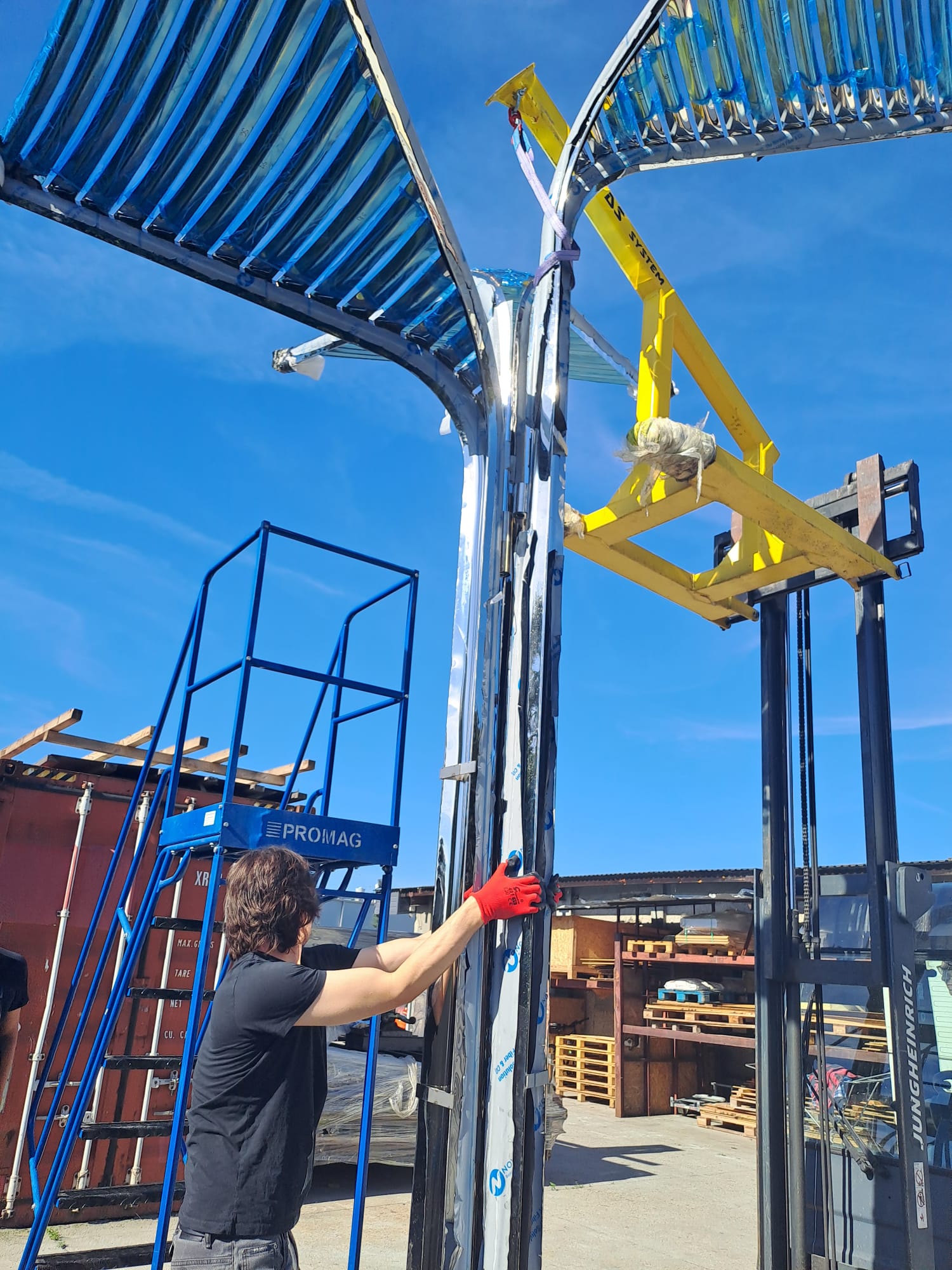
Frondy are the outcome of a search for penumbra through organic forms. FiDU technology gave this exploration the freedom and precision required to create unique, durable works for public space. Each sculpture is composed of six stainless-steel elements, expanded through internal pressure to create structures that are simultaneously stable and remarkably lightweight.
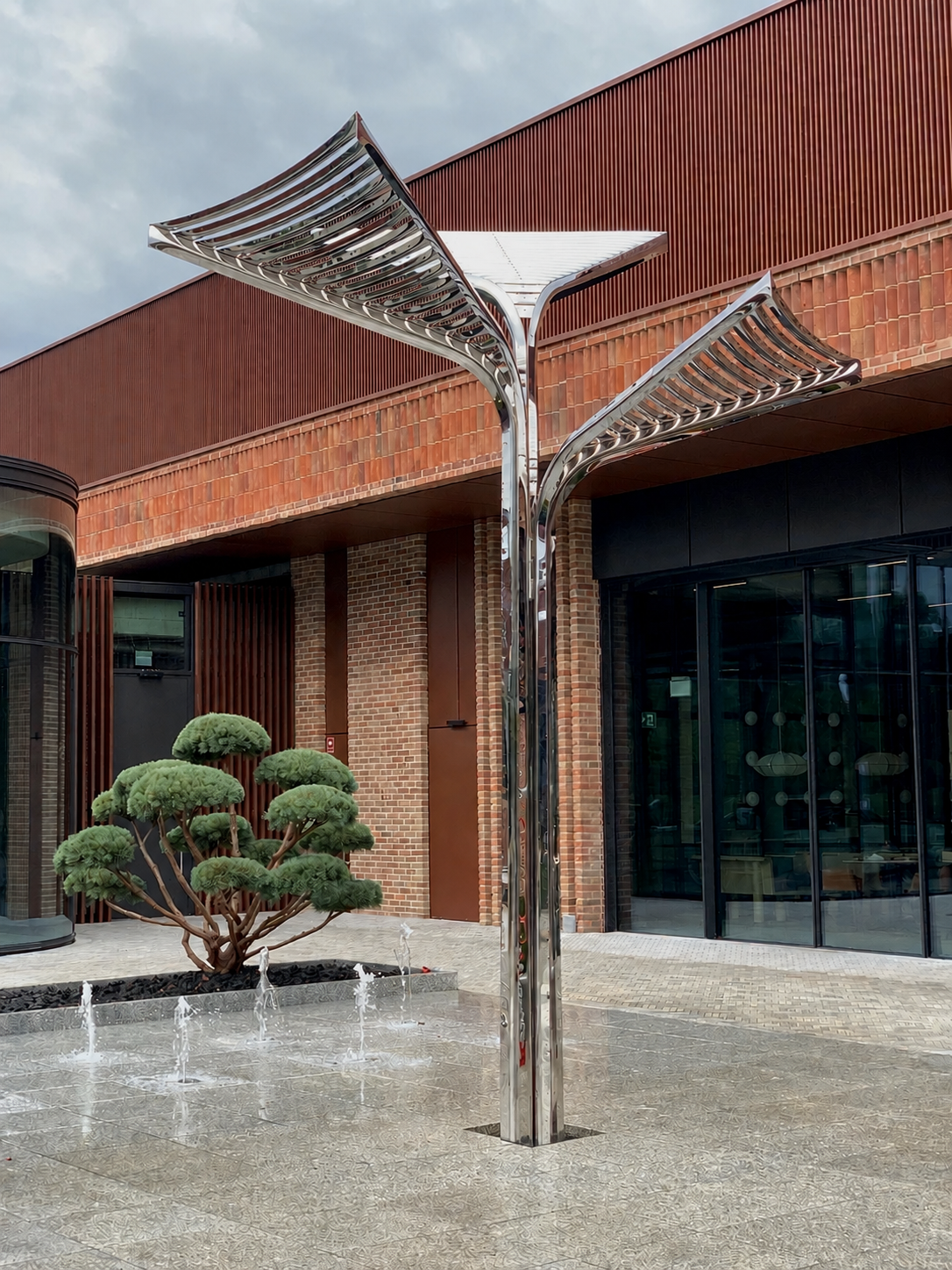
Shadow - Objects
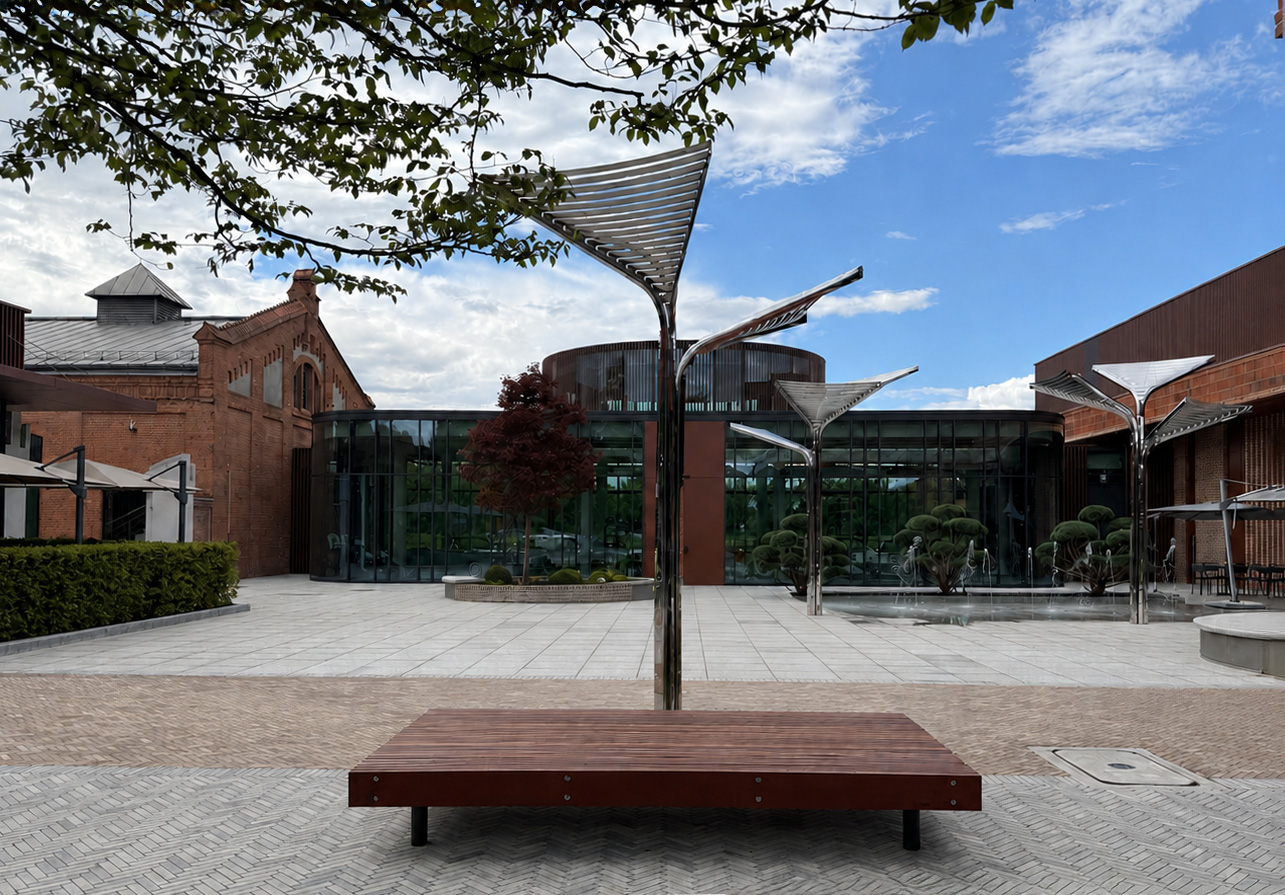
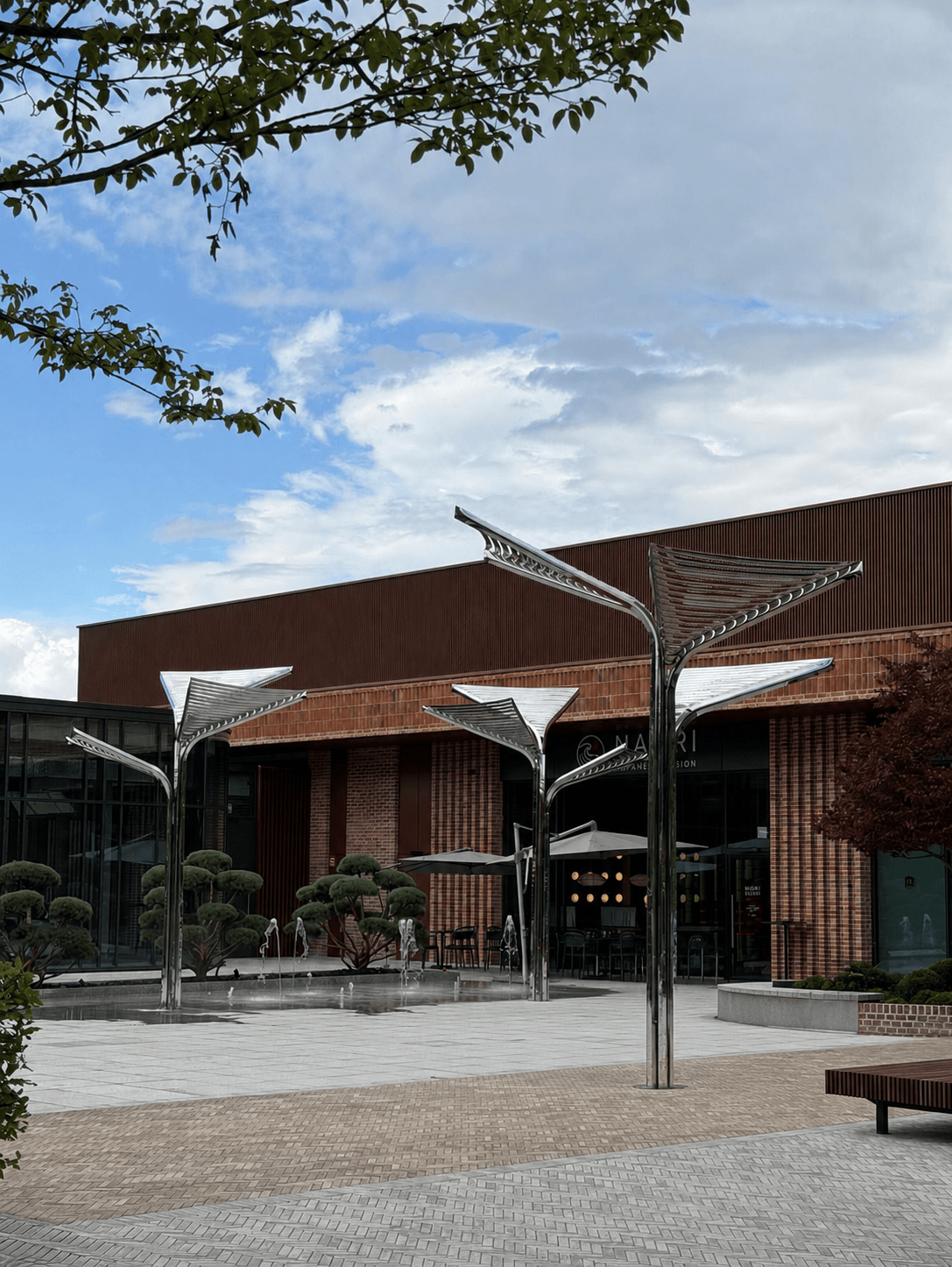
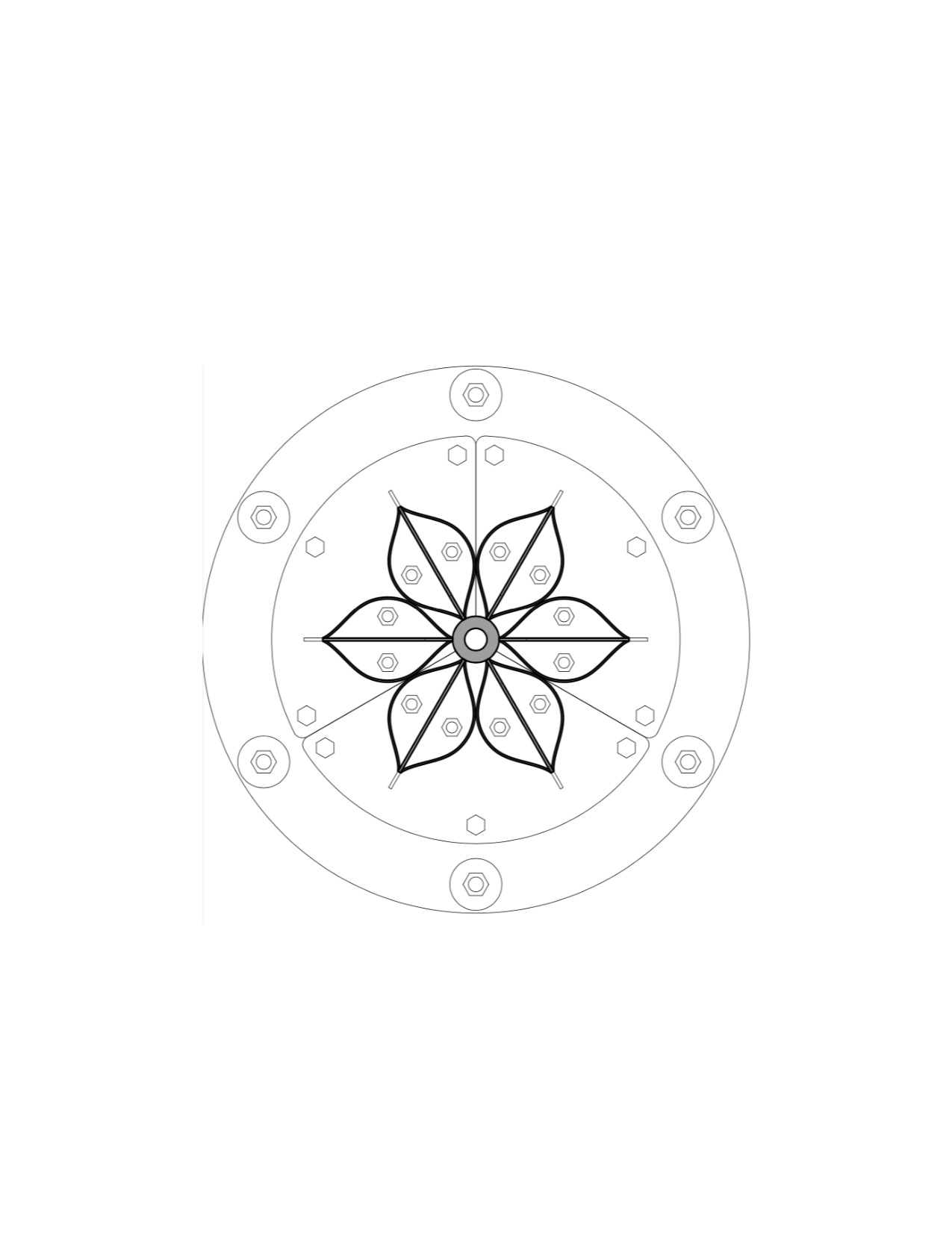
The Floral Diagram Base
One of the most important—yet least visible—structural elements of Frondy is their base. In section, it resembles a floral diagram: an organic rosette composed of six FiDU steel profiles. It is both a structural solution and the point where the forces and energy of the entire form converge.
Conceptually and visually, this cross-section recalls the Rotation vases. Throughout his practice, Oskar Zięta often tests large-scale structural ideas through smaller objects before allowing them to grow into architectural forms.
Just as the stem carries the weight of a plant's leaves, the base of each Frondy brings all six elements together into a single structure. Up close, it reveals the precision of the FiDU deformation process and the distinctive geometry of the FiDU profile. From a distance, it almost disappears, allowing the eye to rest on the lightness of the canopy and the penumbra it casts.
The Architecture of Penumbra
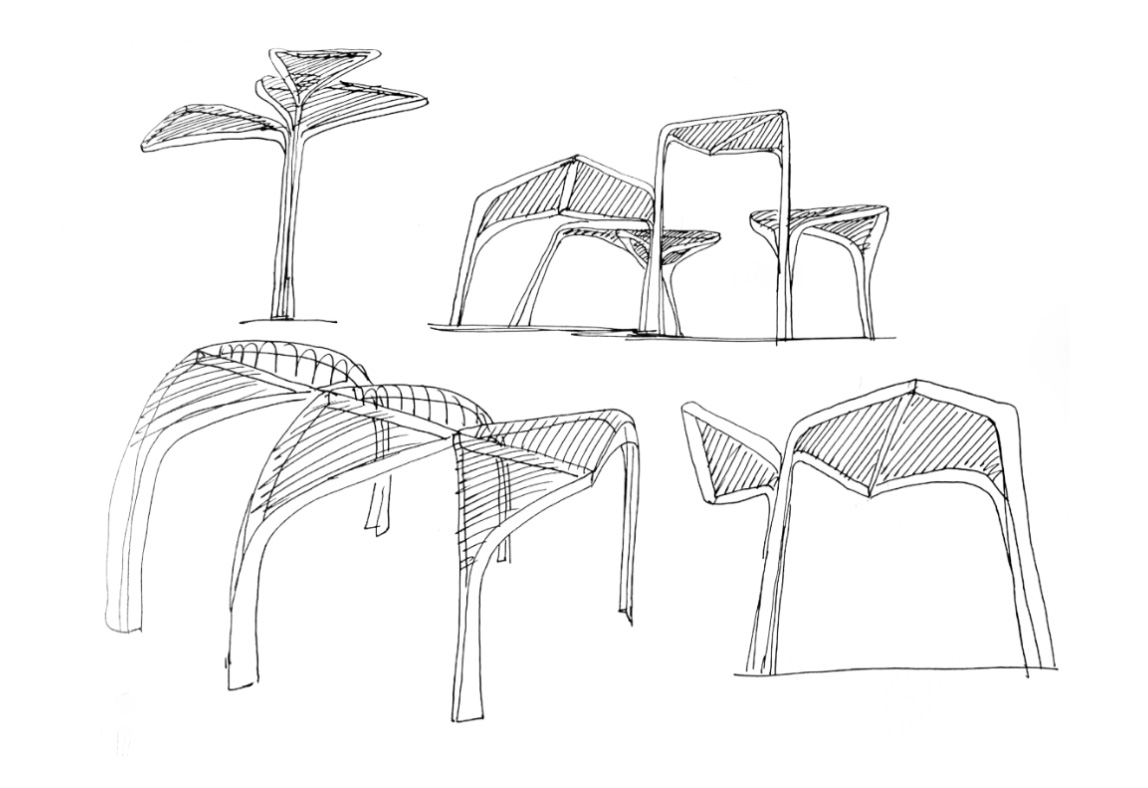
Frondy are instruments for shaping penumbra. Their form is not driven by aesthetics. It emerges from the observation of light. From experiments with material. From the possibilities of FiDU technology. From questions posed to steel and answers inscribed by internal pressure.
Every prototype was another attempt to capture the precise moment when structure remains effortlessly light while shadow acquires an architecture of its own—until only one solution remained: Frondy.