The rug-beating frame (trzepak) is a focus of backyard meetings in Polish memories. An object whose primary function was lost amid children’s acrobatics,exercises, and serious conversations. The rug-beating frame is a symbol of carefreeness. The trzepak is an emotion, a cherished memory.
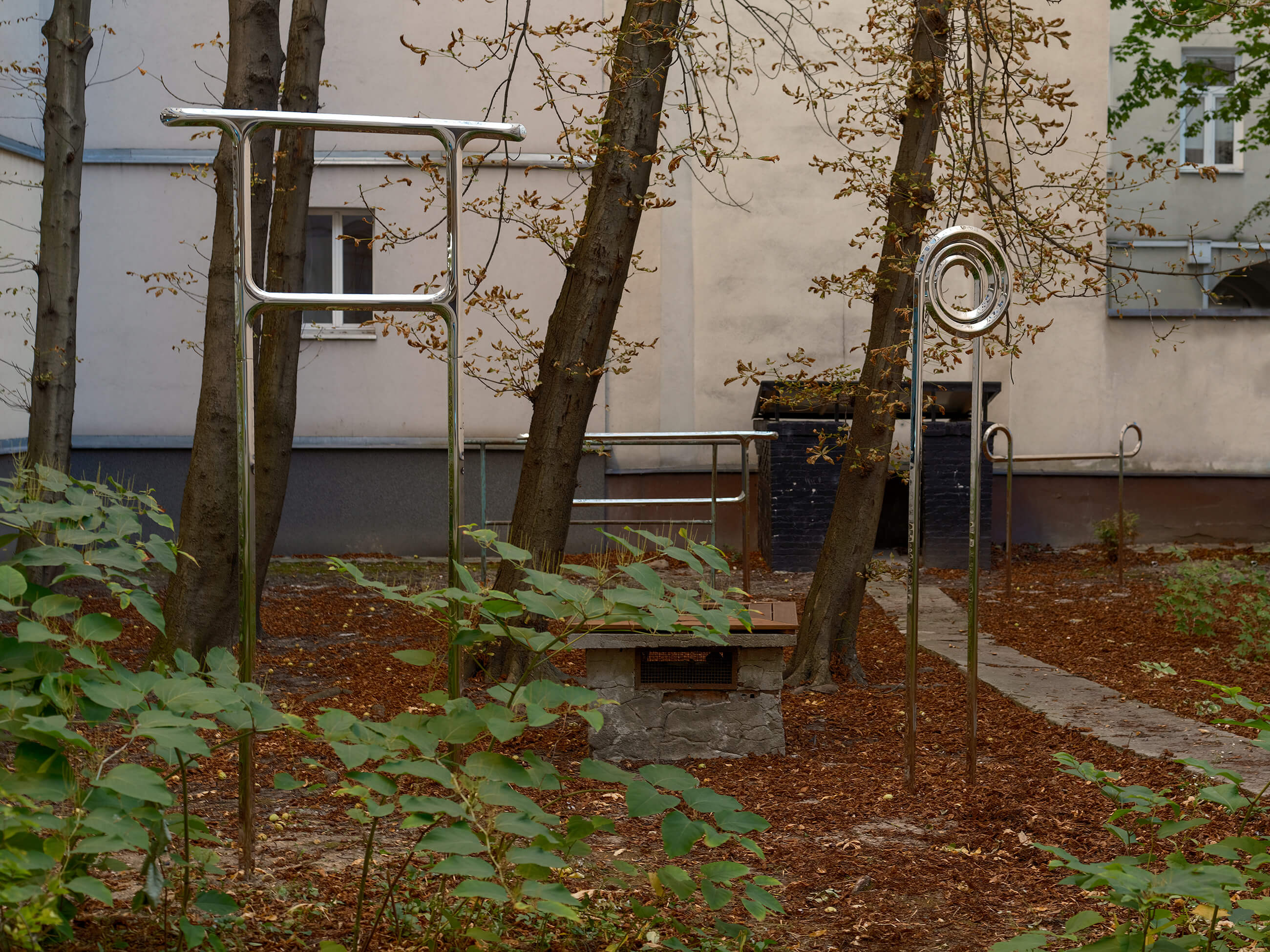
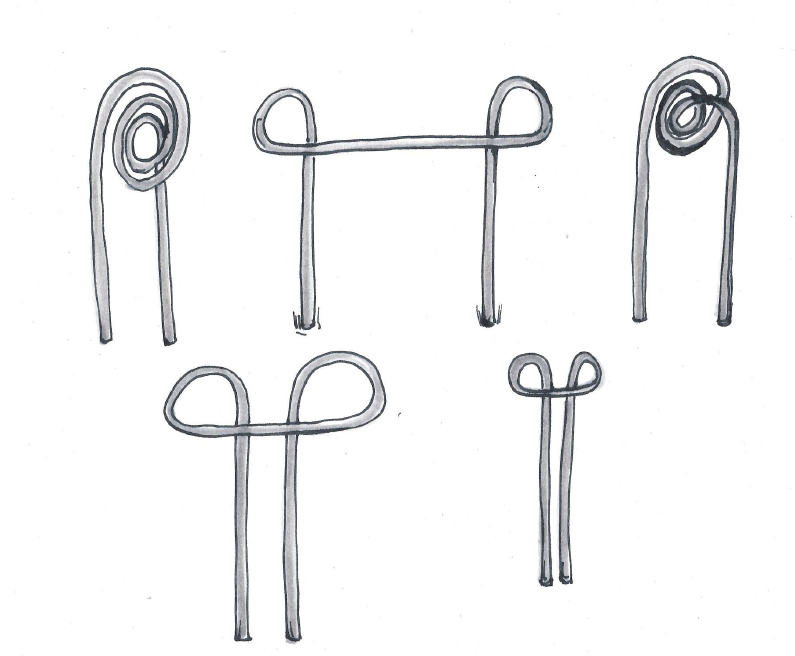
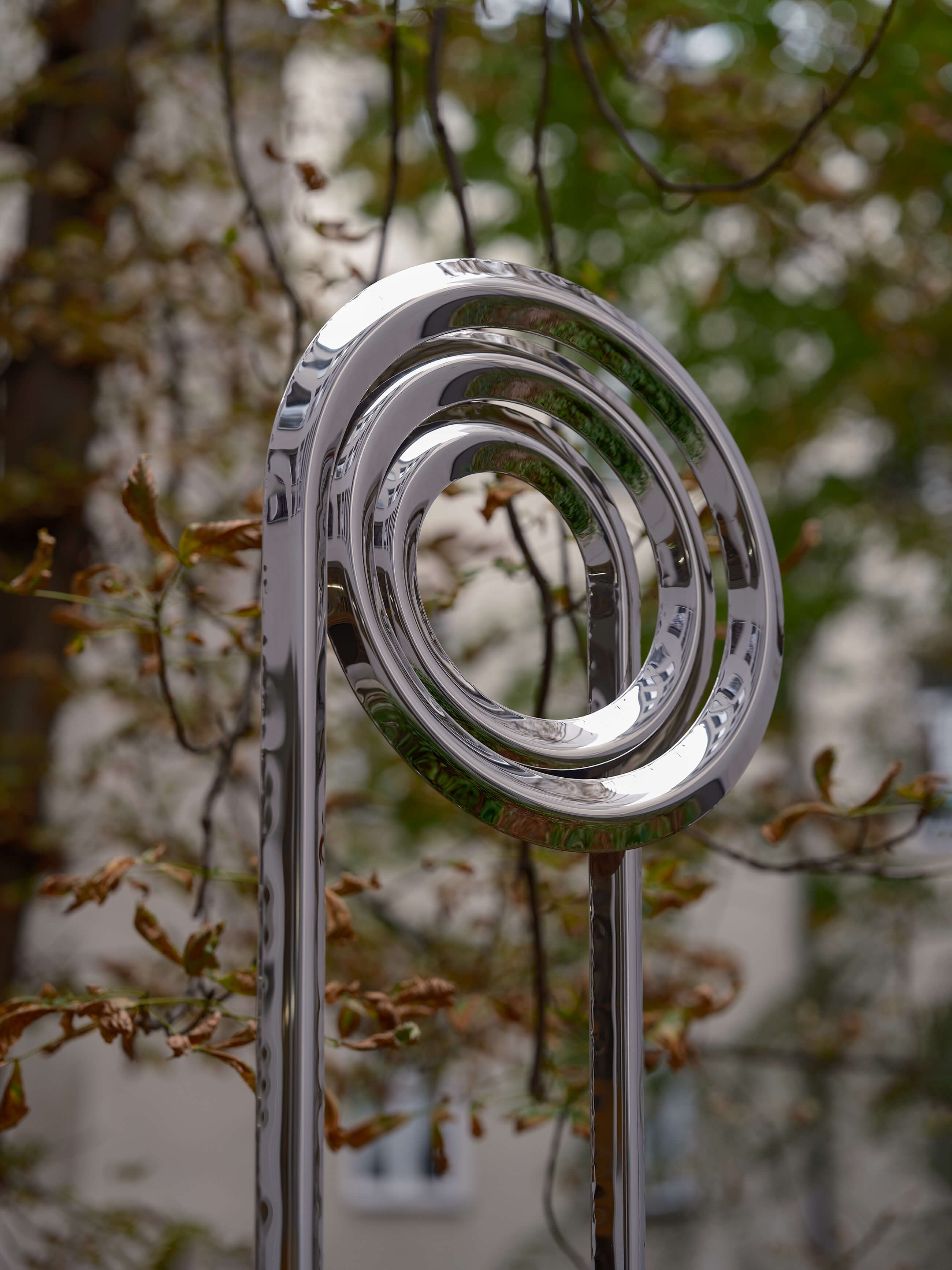
The familiar form of the rug-beating frame in Polish courtyards is clothed by Oskar Zięta in a new guise: Trzepak 4.0. A modern and novel figure. A figure filled with air. A figure not yet deformed. A figure that is and will remain an experiment. Zięta’s exercises transmute this deeply rooted object from our backyard culture into a realm of abstract forms—ethereal and surreal. Gleaming, inflated like balloons, they are a reflection of gymnastic figures, somersaults and spins, functions that trzepaki often served more frequently than their originally intended purpose.
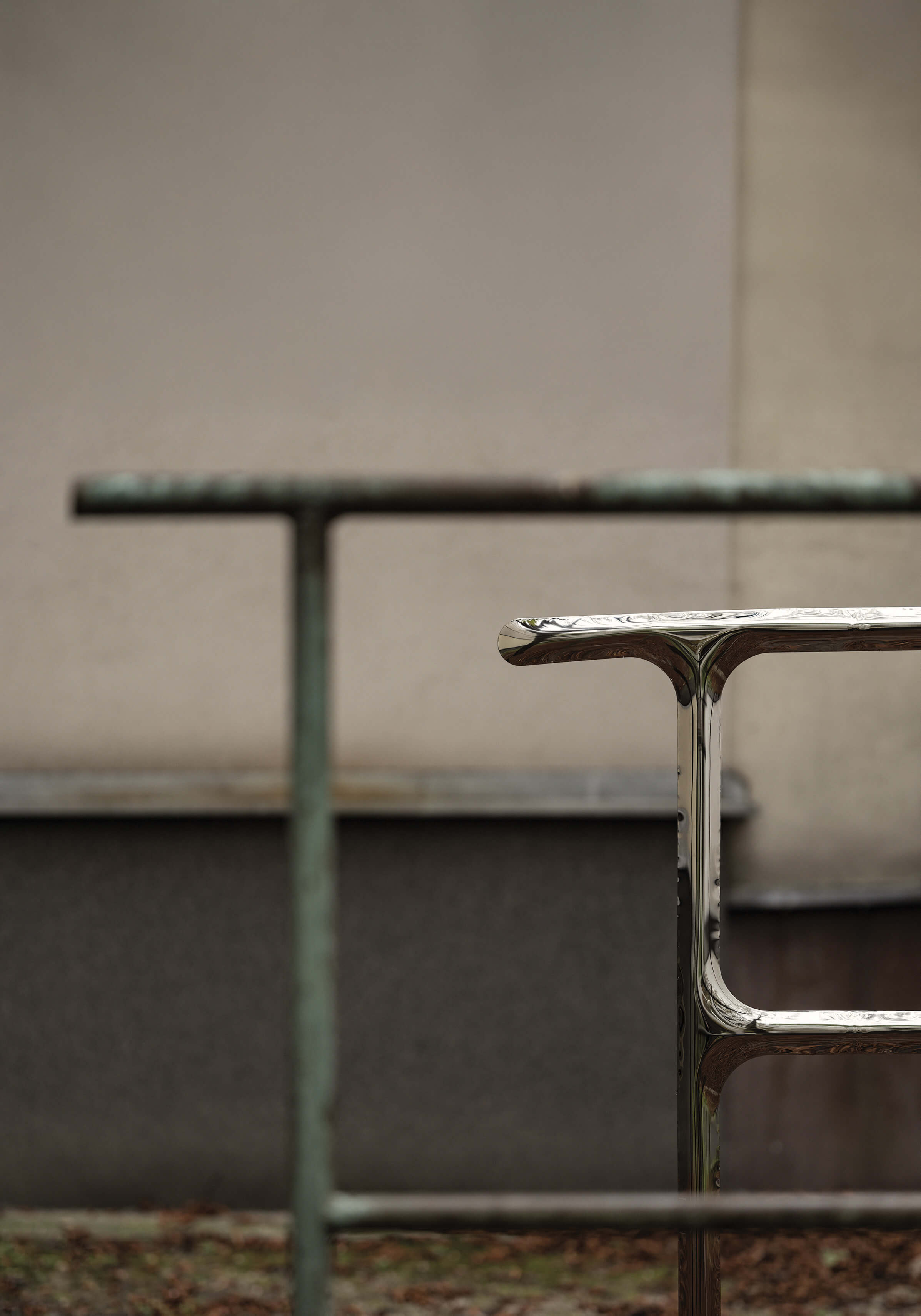
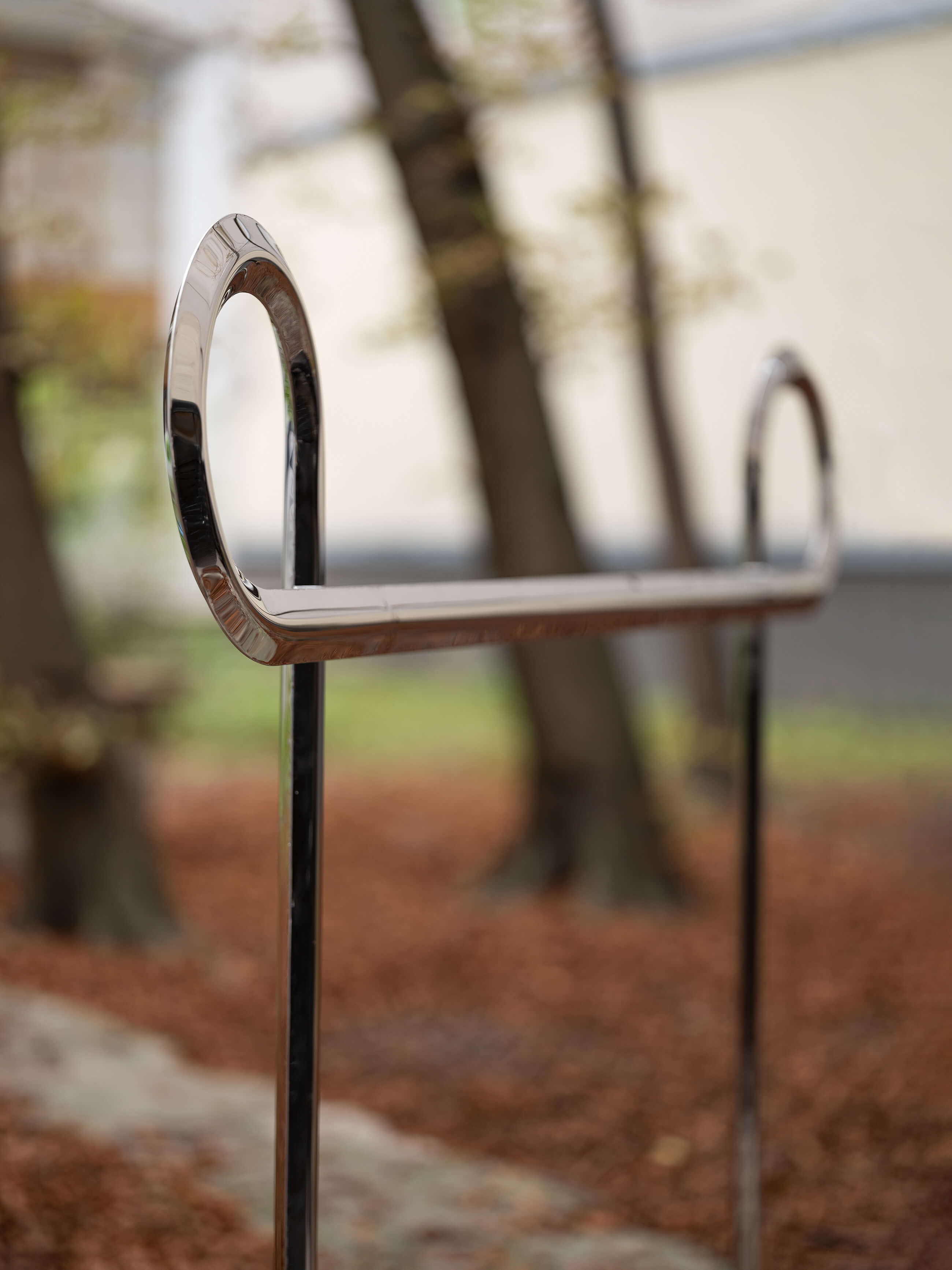
Trzepaki as a study of the courtyard sculpture can be contemplated within the context of the recycling of artistic form. They serve as meticulous studies of the place and its contexts, like many other of Zięta’s sculptures. In the Raster Sculpture Garden, the recycled material was the courtyard rug-beating frame. The other implementations undergo transformations that are closely related to them, yet always of considerably broader significance.
.jpg)
The Trzepaki 4.0, both technological and playfully nostalgic, were placed in water, distorting metal reflections and evoking sentimental memories—often hidden deep within the city’s whispers. And this is surely just the beginning of their journey.